Making your own stickers sounds simple, but getting them to look and feel professional takes a bit more thought.
From design to material to finish, each step affects how your stickers turn out. Whether you're creating stickers for your business, an event, or a personal project, understanding the basics will help you get better results from the start.
Start With a Strong Design
Every good sticker starts with a design that actually works at sticker size.
What looks great on a screen doesn’t always translate well when printed smaller. Keep your design clean, with strong contrast and clear shapes. If you're using text, make sure it's readable at the final size.
Simple designs tend to perform better. They’re easier to recognize, easier to place, and more likely to be used on everyday items.
Choose the Right Size and Shape
There’s no one-size-fits-all approach to stickers.
The right size depends on where the sticker will be used:
- Smaller stickers work best for laptops, phone cases, and packaging
- Medium sizes are ideal for water bottles and notebooks
- Larger stickers or decals work well for cars, windows, or signage
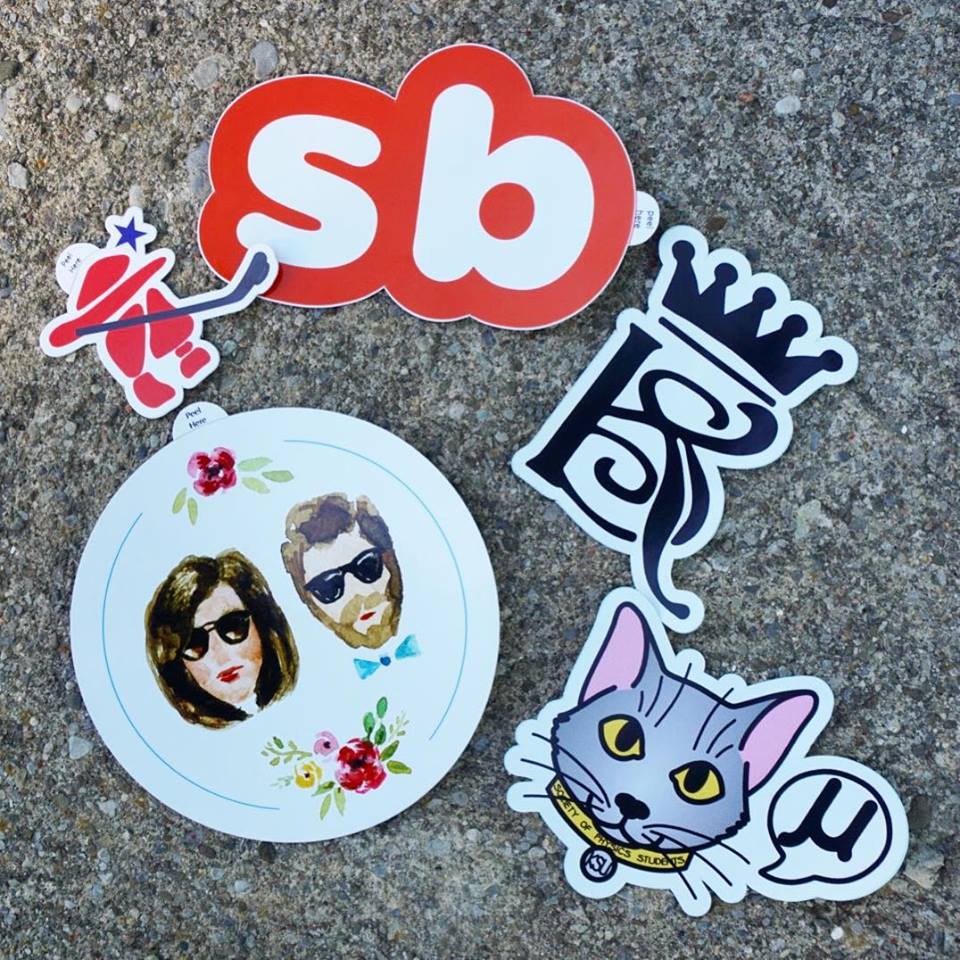
Shape matters too. Standard shapes like circles and squares are safe, but custom shapes can make your sticker feel more unique and higher-end.
Pick the Right Material
Material is one of the most important decisions you’ll make.
Vinyl is the go-to option for most stickers because it’s durable, waterproof, and built to last. It holds up well on things like water bottles, cars, and anything exposed to the elements.
If your stickers are for product packaging or indoor use, other materials may work, but durability should always be a consideration.
Gloss vs Matte: What’s the Difference?
Finish changes how your sticker looks and functions.
- Gloss makes colors pop and gives that classic shiny sticker look
- Matte has a softer, non-reflective finish and is easier to write on
The best option depends on how your sticker will be used. If you want bold, eye-catching designs, go with gloss. If readability or a more subtle look matters, matte is a better choice.
Test Before Ordering in Bulk
One of the most common mistakes is ordering too many stickers too soon.
Always test a small batch first. Colors can shift slightly from screen to print, and details can look different once produced. Testing also lets you see how your stickers hold up in real conditions, whether that’s on a water bottle, packaging, or outdoors.
Think About How They’ll Be Used
The best stickers aren’t just well-designed. They’re practical.
Ask yourself:
- Where will people stick this?
- Will it be exposed to water, heat, or sunlight?
- Does it need to be removable or permanent?
Answering these questions upfront helps you choose the right specs and avoid issues later.
DIY vs Professional Printing
You can make stickers at home using basic printers and cutting machines. That works for small projects or testing ideas.
But for business use or larger quantities, professional printing makes a noticeable difference. You get better color accuracy, cleaner cuts, and more durable materials that last longer and hold up to everyday use.
Final Thoughts
Making your own stickers is straightforward once you understand the key decisions.
Focus on a clean design, choose the right material, and think about how the sticker will actually be used. A few small choices upfront can make a big difference in the final result.
Whether you're creating stickers for branding, packaging, or personal use, getting the fundamentals right is what separates average stickers from ones people actually keep and use.