Static Clings


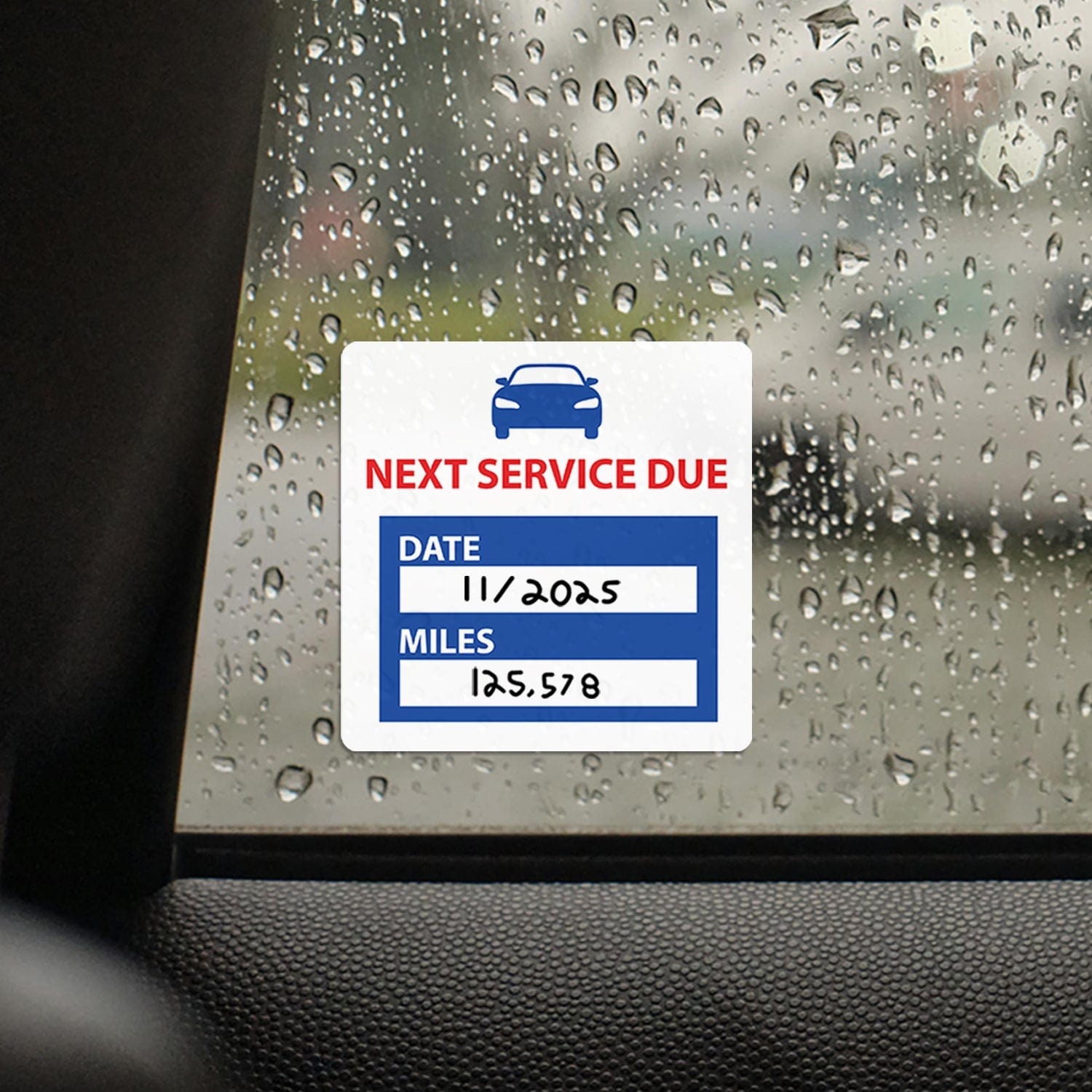

Static clings let you decorate any smooth surface without adhesive, sticky residue, or complicated tools. Whether you need custom window clings for a retail storefront, seasonal promotions for shop windows, or reusable static cling stickers for interior glass displays, Stickerbeat prints them in clear or white vinyl with sharp, high-resolution color.
Please note: Each size and quantity selection applies to one design only. If you’d like to print multiple designs, please add each design to your cart as a separate product.
Files must be in EPS, AI, TIF, JPG, PSD, PNG, or PDF format. CMYK at 300 dpi and scaled to 100% ensure the best results. Maximum file size is 20MB.
Proceed without artwork?
You have not uploaded artwork. You can upload it now or continue and send it later.
You may also like

Sticker Sheets


Holographic Stickers

Custom Shape Roll Labels

30pt Magnets

Static Areas
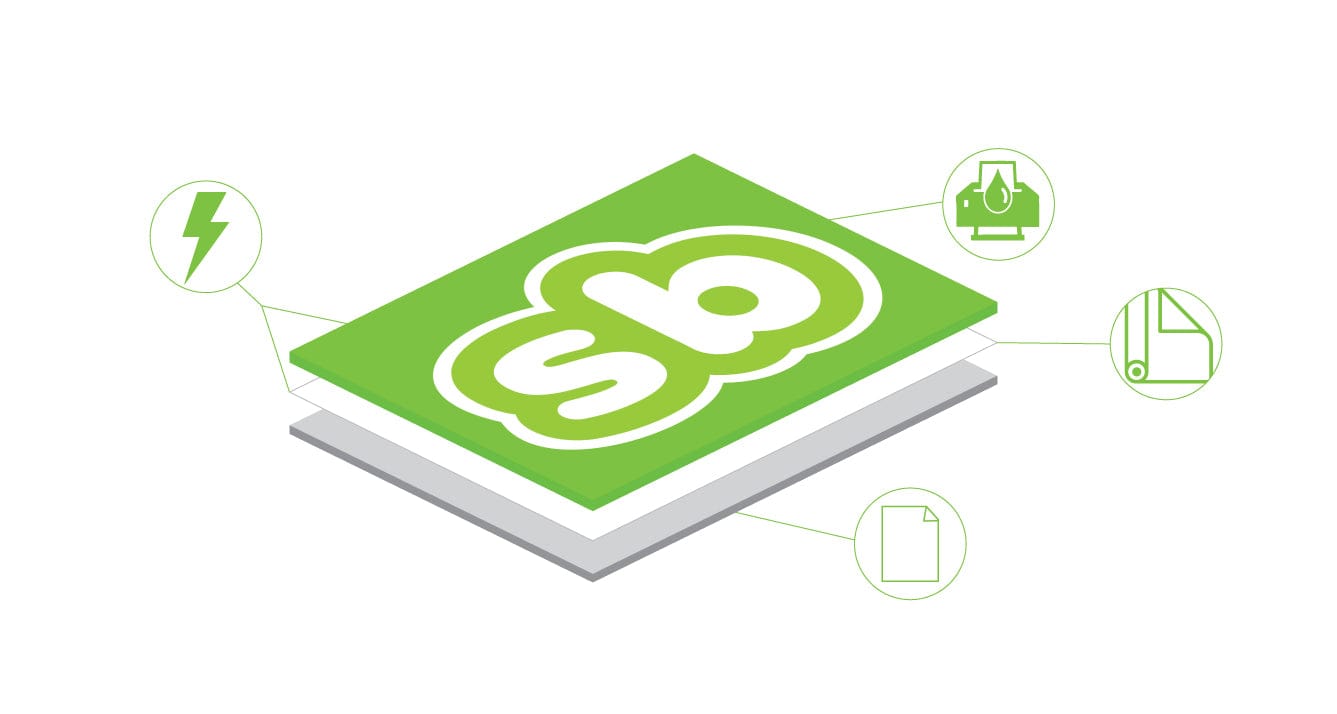
Statically charged from both sides.

Ink
Stickerbeat uses Epson 3M UltraChrome GS3 inks.

Vinyl Layer
Our static clings have a 8mil thickness.

Backing Liner
Static clings come with a high-quality, easy-release 90# lay flat liner. This heavyweight backing paper (90 lbs) is designed to stay flat and resist curling, making it easier to handle, print, and apply your stickers without hassle.
What Are Static Clings?
Static clings are decals made from a vinyl material that sticks to smooth surfaces using static—not glue or adhesive. Simply press the cling into place on glass, mirrors, or metal and it will stay put. Since there's no adhesive, the clings are ideal for temporary signage, retail promotions, or reusable decals.
The cling works through static electricity. The vinyl material holds a charge on both sides, which creates the gripping force on non-porous surfaces. Because there is no messy adhesive involved, static cling decals leave zero sticky residue when removed, making them safe for glass doors, windows, mirrors, and any other surface you want to keep damage-free.
Stickerbeat prints static clings in two formats:
- Clear static cling vinyl
- White static cling vinyl
Custom Window Clings for Glass, Mirrors, and More
Static window clings are designed for any clean, smooth, non-porous surface. Because they grip through static electricity rather than adhesion, they work best where the surface is flat and free of texture, dust, or oils.
Common compatible surfaces include:
- Clear window glass and storefront doors
- Inside glass panels, partitions, and display cases
- Tinted windows (light to moderate tint, applied from the interior side)
- Car windows (interior application recommended)
- Mirrors and polished stainless steel
- Other smooth surfaces such as refrigerator doors and glazed tile
Static clings do not adhere well to textured, painted, or porous surfaces where full contact with the glass surface cannot be made.
Create Custom Window Clings with Your Own Design
Ordering custom static clings from Stickerbeat is straightforward. Upload your artwork file, select your material and size, and we handle the printing. You can submit images, add text, or supply finished design elements, and we will reproduce them at full resolution.
When you upload images, set your file to CMYK at 300 dpi for the sharpest print output. If you need a custom size, we offer custom sizes to match any window format or display footprint. Our design tool on the product page lets you preview your layout before placing your order.
Minimum order is 50 static clings per design. Need multiple designs? Add each as a separate product in your cart.
Clear Window Clings vs. White Vinyl: Choosing the Right Option
Choosing between clear static clings and white vinyl depends on your design and how the final product will be viewed.
Clear static clings remain transparent in all unprinted areas, allowing full visibility through the window. They work best for cut-out shapes, logos, or any design where you want the glass to show through a transparent background.
White vinyl clings (opaque window clings) block light in all printed areas. They are the better choice for bold graphics, full-coverage designs, or when you need white ink as a base for vivid color on a clear or tinted surface.
If you are unsure which to choose, clear window clings are the more versatile option for window applications, while white vinyl is preferred for designs that require a solid, opaque look.
First Surface vs. Second Surface
When ordering static clings, you'll choose between:
First Surface Clings: Printed with the adhesive or cling on the back of the design. These are applied to the outside of a surface and viewed from the outside.
Second Surface Clings: Printed in reverse, allowing them to be applied to the inside of a window while still being visible from the outside.
This is especially helpful for storefronts that want to protect signage from the weather.
Product Specs & Customization Options
- Minimum order: 50 static clings
- Smallest size: 1.5" x 1.5"
- Shape: Any custom shape or size available
- Material: Clear or white cling vinyl
- Finish: Gloss
- Print method: High-resolution digital printing
- File types supported: EPS, AI, TIF, JPG, PSD, PNG, or PDF (CMYK, 300 dpi, max 20MB)
Application & Reusability
Static clings are easy to apply and reposition:
- Clean the surface thoroughly.
- Peel off the backing.
- Press the cling into place.
- Smooth with your hands or a squeegee.
They are perfect for temporary applications like sales, seasonal displays, or changing service reminders, and they can be reused as long as they stay clean and dust-free. Store used clings on their original wax paper liner or a clean smooth backing to preserve the cling material between uses.
Durability & Lifespan
Static clings typically last:
- Several months to a year indoors
- Shorter time outdoors due to exposure to heat, sun, and wind
- While they're great for short-term use outdoors, we recommend adhesive vinyl for long-term outdoor decals.
While they are great for short-term use outdoors, we recommend adhesive vinyl for long-term outdoor decals. Clings are designed for temporary promotions, seasonal rotations, and any application where clean, damage-free removal is part of the plan.
Common Uses for Static Clings
Static clings are ideal for:
- Retail window promotions and signage
- Temporary business hours and sales announcements
- Oil change or service reminder stickers
- Glass door or mirror decoration
- Seasonal home decor
- Event or promotional branding
Static Clings FAQ
How long do static clings last?
How long do static clings last?
Static clings can last for several months to a year, depending on the conditions they are exposed to. They may last longer if they are kept indoors and away from direct sunlight or extreme temperatures.
What is your minimum order quantity for static clings?
What is your minimum order quantity for static clings?
Our minimum order quantity is 50 static clings.
Can static clings be reused?
Can static clings be reused?
Yes, static clings can be reused multiple times as long as they are properly stored and kept clean. After removing them, store them on their original wax paper liner or a clean, smooth surface to protect the cling material from dust. Avoid folding or stacking clings without a liner between them.
Are static clings removable?
Are static clings removable?
Yes! Static clings are completely removable, leave no residue, and can be repositioned, making them perfect for temporary or reusable applications. Because there is no adhesive involved, removal is clean every time. There is nothing to soak off, scrape away, or clean up from the glass surface.
How do I apply my static clings?
How do I apply my static clings?
Static clings are very easy to apply. Simply clean the surface you want to apply the cling to, peel off the backing, and press the cling onto the surface. You can easily reposition the cling if needed. For a smoother result, use a squeegee or credit card to press from the center outward, which pushes out any air bubbles trapped under the cling. Easy placement means you can make adjustments on the flywithout any risk of damage.
Can static clings be used outdoors?
Can static clings be used outdoors?
Yes, static clings can be used outdoors, but they may not last as long as adhesive products.
How do I avoid air bubbles when applying static clings?
How do I avoid air bubbles when applying static clings?
The best way to avoid air bubbles is to clean the glass surface thoroughly before applying. Remove all dust, moisture, and oils with a damp cloth, and let the surface dry completely. Apply the cling from the top edge down, and use a squeegee or credit card to smooth from the center outward as you press. If bubbles remain after application, gently peel back the affected area and re-smooth. Most small bubbles in a clean application will self-release within 24 hours.
What is the non-printed side of a static cling?
What is the non-printed side of a static cling?
The non-printed side is the side of the cling with no ink, which faces the glass surface during application. For second surface clings, the design is printed in mirror image so that the non-printed side is pressed against the inside glass, and the artwork reads correctly from the exterior. For first surface clings, the non-printed side faces away from the viewer and adheres to the outside of the window.
What file types do you accept, and how should I set up a clear background design?
What file types do you accept, and how should I set up a clear background design?
We accept EPS, AI, TIF, JPG, PSD, PNG, and PDF files. Set your file to CMYK color mode at 300 dpi, with a maximum file size of 20MB. For designs with a clear background, PNG or PDF formats work best because they support true transparency. Make sure transparent areas are set correctly in your file before uploading, as JPG and other flat formats do not support transparency and will output a white background instead.
Are custom window clings the same as static cling decals?
Are custom window clings the same as static cling decals?
Yes. Custom window clings and static cling decals refer to the same product. Both are printed on static vinyl and cling to smooth surfaces without adhesive. The term "window clings" is more common in retail and signage contexts, while "static cling decals" is often used for service reminders and automotive applications.
What surfaces do static window clings work on?
What surfaces do static window clings work on?
Static window clings are designed for smooth, non-porous surfaces. Glass is the most common application, but they also work on mirrors, polished metal, and glazed surfaces. Textured or painted walls will not hold a static cling reliably.
Can I use custom window clings on car windows?
Can I use custom window clings on car windows?
Yes. Custom window clings work well on car windows when applied from the interior side. For tinted windows, lighter tint levels are generally fine. Heavy ceramic or metalized tint films can reduce grip, so interior application on a clean, flat glass surface is recommended.
What is an opaque window cling and how does it differ from a clear window cling?
What is an opaque window cling and how does it differ from a clear window cling?
A clear window cling stays transparent in all unprinted areas, letting light pass through and keeping the glass visible. An opaque window cling uses white vinyl as a base, which blocks light and produces more vivid, solid colors. Use clear window clings when you want a minimal or cut-out look, and opaque when your design needs a solid background.
How do I remove dust before applying a static cling?
How do I remove dust before applying a static cling?
Wipe the surface with a clean, damp cloth and let it dry fully before you apply. Even light dust or oil residue will reduce grip. Easy installation starts with a clean surface, so take 30 seconds to prep before you peel.
Can I upload artwork to create a custom design?
Can I upload artwork to create a custom design?
Yes. You can upload artwork in EPS, AI, TIF, JPG, PSD, PNG, or PDF format. For transparent areas to render correctly on a clear cling, use PNG or PDF. JPG files do not support transparency and will output a white background. Set all images to CMYK at 300 dpi before uploading.
How do I peel and apply a static cling without damaging it?
How do I peel and apply a static cling without damaging it?
Start at one corner and peel back slowly at a low angle. Rushing or pulling at a sharp angle can stretch the vinyl. Once peeled, position the cling before pressing down, since easy application depends on getting placement right before you commit. If the cling folds on itself, lay it flat on a clean surface and gently separate from the edge.